

In today’s era, computer technology isn’t just a subject — it’s a way of life. From smartphones to satellites and from schools to startups, everything runs on computers.
Understanding this technology helps everyone — from students to business owners — grow, learn, and stay relevant in the digital world.
🌐 What Is Computer Technology?
Computer Technology refers to using computing systems — hardware, software, and networks — to store, process, and share information efficiently.
Includes:
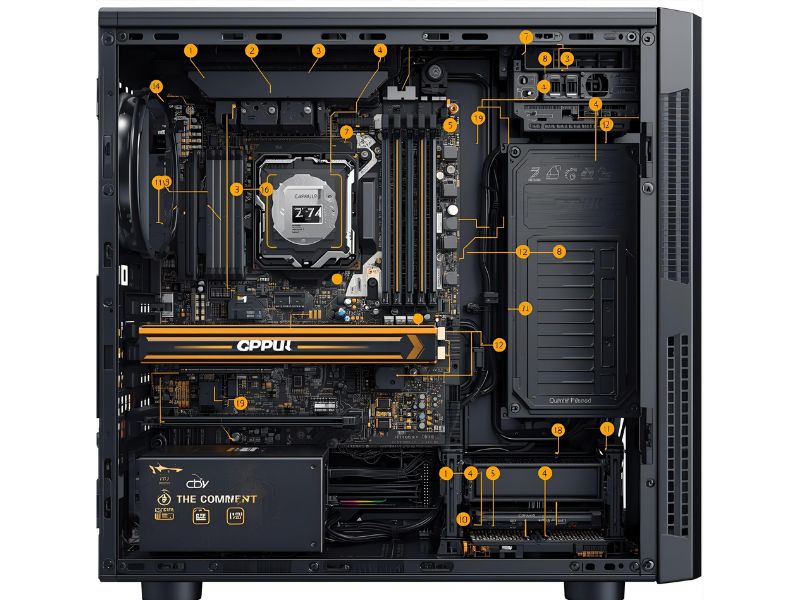
- Hardware: CPU, monitor, keyboard, and motherboard.
- Software: Applications and programs that control devices.
- Networking: Systems that connect computers and enable communication.
- Applications: Tools like MS Office, Chrome, and ChatGPT that simplify life.
👉 In simple words: Computer technology is the art of making life easier using machines that think faster than humans.
🧠 Why Computer Technology Matters in Today’s World
Technology is the new literacy.
Whether you’re a student, professional, or homemaker, understanding computer technology is a life skill.
💼 For Businesses
- Automates daily operations and increases productivity.
- Enables digital marketing, online payments, and e-commerce.
- Improves customer management and data security.
🏠 For Households
- Simplifies daily tasks and communication.
- Encourages children to learn and explore the digital world.
- Makes information accessible from anywhere.
🎓 For Students
- Builds digital literacy and problem-solving skills.
- Opens access to online education and career growth.
- Prepares them for AI and tech-driven jobs.

⚙️ Components of Computer Technology
Computer technology works through three main elements:
🖥️ 1. Hardware
The physical parts that make computing possible.
Examples:
- Input Devices: Keyboard, Mouse, Scanner
- Output Devices: Monitor, Printer
- Storage: Hard drives, SSDs, Cloud
- Processor: CPU, GPU
💡 Image Alt Text Suggestion:
“Computer hardware components – monitor, keyboard, CPU, and storage devices.”
🧩 2. Software
The invisible brain of the system.
Types:
- System Software: Operating systems (Windows, macOS, Linux).
- Application Software: MS Office, Photoshop, Chrome.
- Utility Software: Antivirus, backup tools.
💡 Image Alt Text Suggestion:
“Examples of computer software and operating systems.”
🌐 3. Networking & the Internet
The lifeline of modern connectivity.
It allows:
- Email, video conferencing, and data sharing.
- Cloud storage and online collaboration.
- Real-time communication and remote work.
💡 Image Alt Text Suggestion:
“Global computer network and internet connection concept.”
🚀 The Evolution of Computer Technology
Computer technology has evolved rapidly over decades.
| Decade | Milestone |
|---|---|
| 1940s | Birth of electronic computers |
| 1980s | Personal computers in homes |
| 1990s | Internet revolution |
| 2000s | Smartphones and Wi-Fi |
| 2020s | AI, Cloud Computing, and Automation |
💡 Image Alt Text Suggestion:
“Timeline of computer technology evolution from 1940s to AI era.”
💡 Impact of Computer Technology on Society
✅ Positive Impacts
- Boosts global communication and productivity.
- Enhances education and healthcare.
- Supports entrepreneurship and innovation.
- Creates millions of new job opportunities.
⚠️ Challenges
- Over-dependence on screens and devices.
- Cybersecurity risks and data privacy issues.
- Skill gaps among non-technical people.
Solution: Continuous learning and digital awareness.
💡 Image Alt Text Suggestion:
“Societal impact of computer technology – education, communication, and business.”
🎯 Benefits of Learning Computer Technology
Learning computer skills helps in every area of life.
Key Benefits:
- Better job and career opportunities.
- Work remotely and earn online.
- Improve productivity and creativity.
- Communicate effectively through digital tools.
- Stay safe with basic cybersecurity knowledge.
💡 Image Alt Text Suggestion:
“Student learning computer technology and coding.”
🧠 The Future of Computer Technology
The next decade is about smart humans + smarter machines.
🔮 Emerging Trends:
- Artificial Intelligence (AI) – Learning and automation.
- Internet of Things (IoT) – Connected smart devices.
- Cloud Computing – Data access anytime, anywhere.
- Robotics – Smart manufacturing and service automation.
- Blockchain – Security and transparency in transactions.
- AR/VR – Immersive experiences for education and business.
👉 Message: Adapt. Learn. Lead. Because the future belongs to the tech-ready.
💡 Image Alt Text Suggestion:
“Future technologies like AI, IoT, and cloud computing illustration.”
🌱 Final Thoughts: Empower Yourself Through Computer Learning
Computer technology isn’t about machines — it’s about empowerment.
“Technology ab sabke liye hai — aur seekhna hi success ki pehli seedhi hai.”
(Technology is for everyone — and learning is the first step to success.)
Start with small steps:
- Learn basic computer operations.
- Explore applications and digital tools.
- Join online or local computer learning programs.
Once you understand computer technology, you’ll not only use it — you’ll build your future with it.
🧾 Call to Action
Ready to start your computer journey?
👉 Join the Digital Empowerment Revolution — Learn computers, build confidence, and create opportunities with Vishwa Technologies.